A Sustainable and Inclusive Playground Surfacing System
ShockDeck™ by Rampline is a wooden playground surface with a unique shock-absorbing system, 100% free of microplastics! Accessible, sustainable, and built for play.

With its simple design, ShockDeck™ makes playground construction easy.
The wooden deck materials can be sourced locally from the nearest building supplier, while the innovative ShockDeck™ shock absorbers are delivered directly by Rampline.
The playground equipment is mounted in the standard way, using concrete foundations.
Based on LOCAL and NATURAL materials
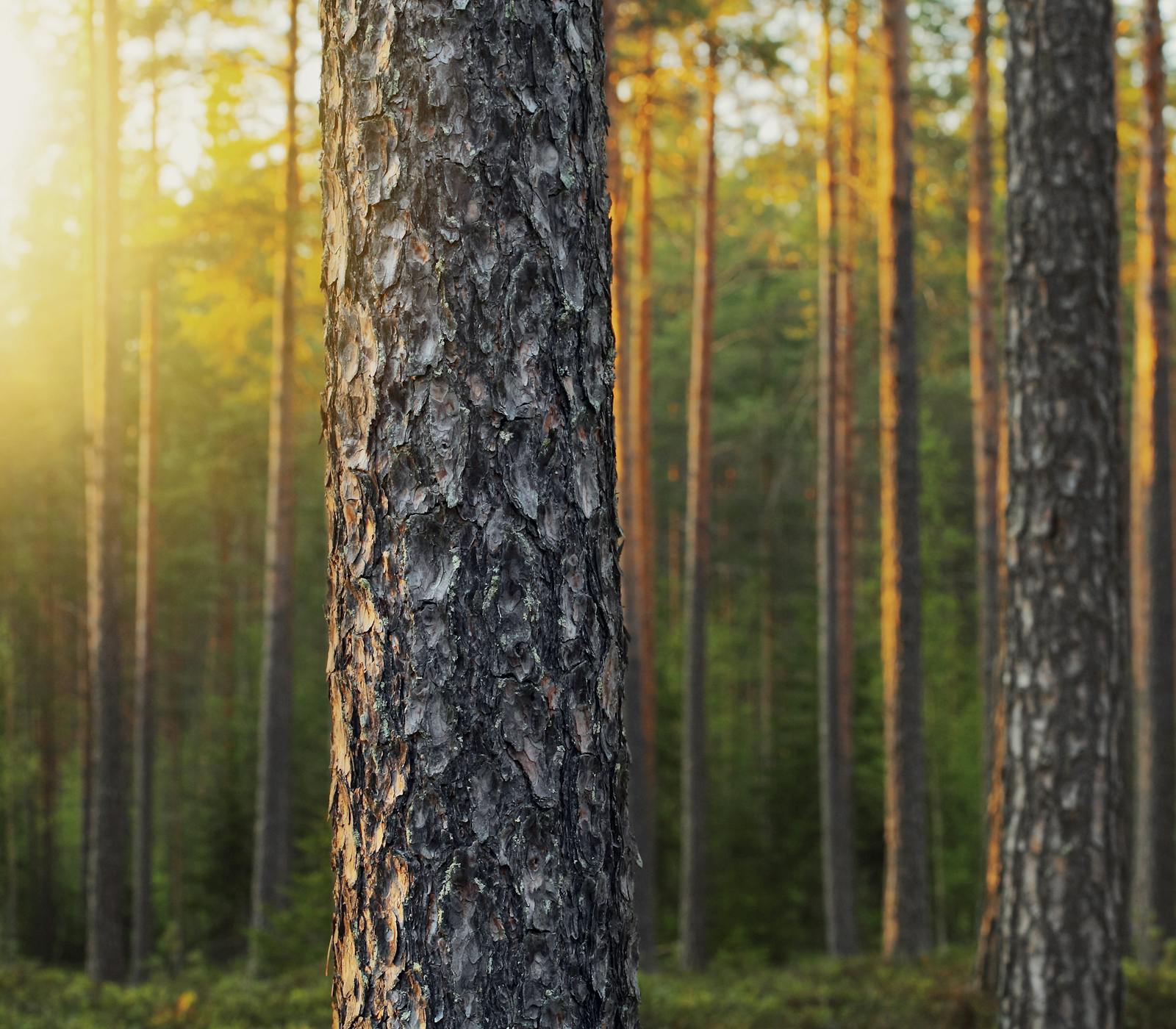
ShockDeck™ is made from 95% certified, locally sourced pine
Harvesting mature, slow-growing trees that absorb less CO₂ creates space for new forests that capture carbon more efficiently.
The positive environmental impact of wood, combined with its unique natural properties, makes ShockDeck™ a forward-looking solution for playground and activity surfacing.
Norwegian innovation removes microplastics and chemicals from playgrounds
Since 2022, Rampline has been testing the use of wood in playground surfacing, aiming to eliminate microplastics and harmful chemicals—while creating a surface that is universally accessible, attractive, and low-maintenance.
By harnessing the natural properties of wood, we have developed a solution that combines a pine top layer with hidden natural rubber shock absorbers.
The result is a safe, inclusive and eco-friendly playground surface.
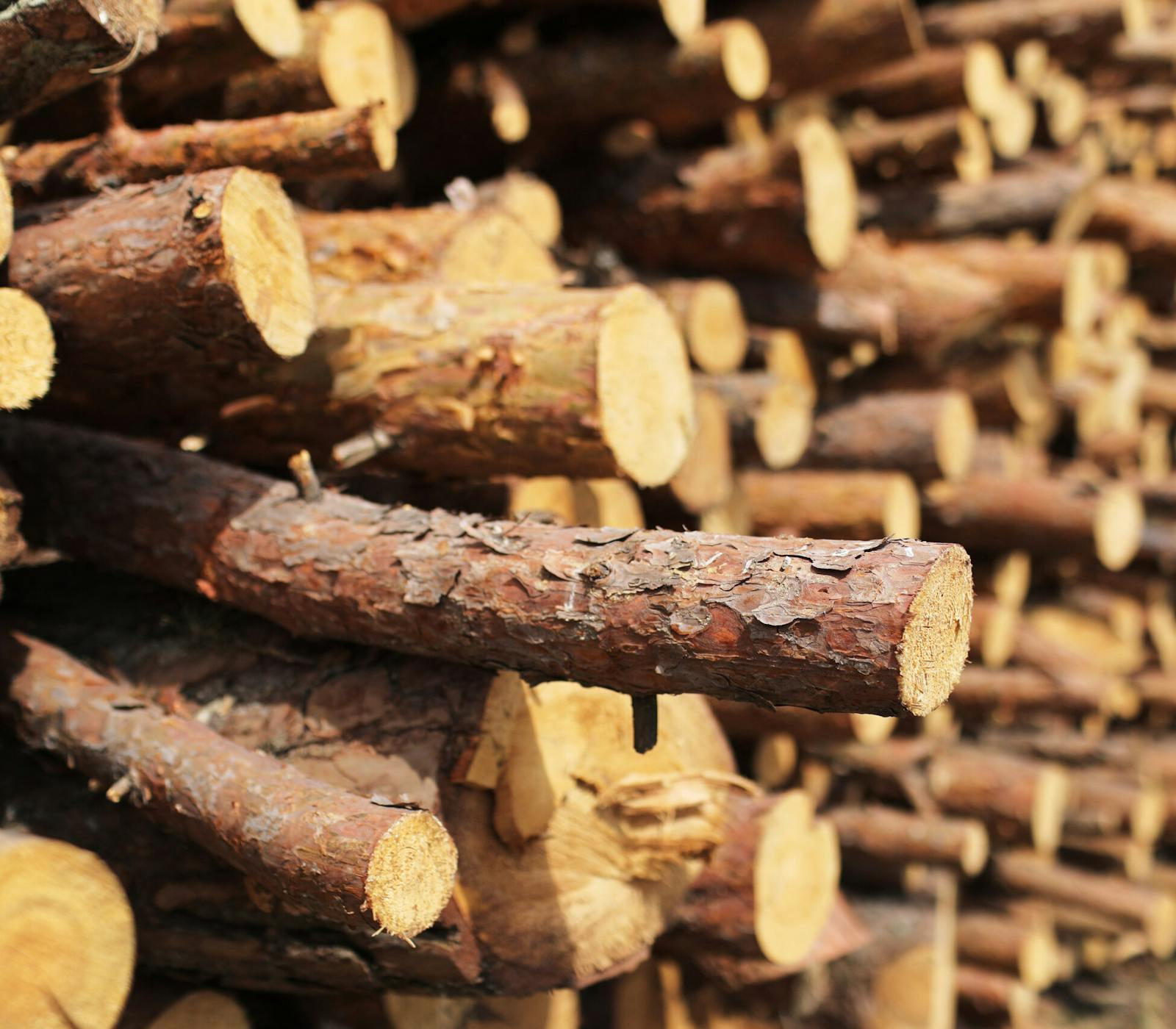
PINE – MADE FOR PLAY!
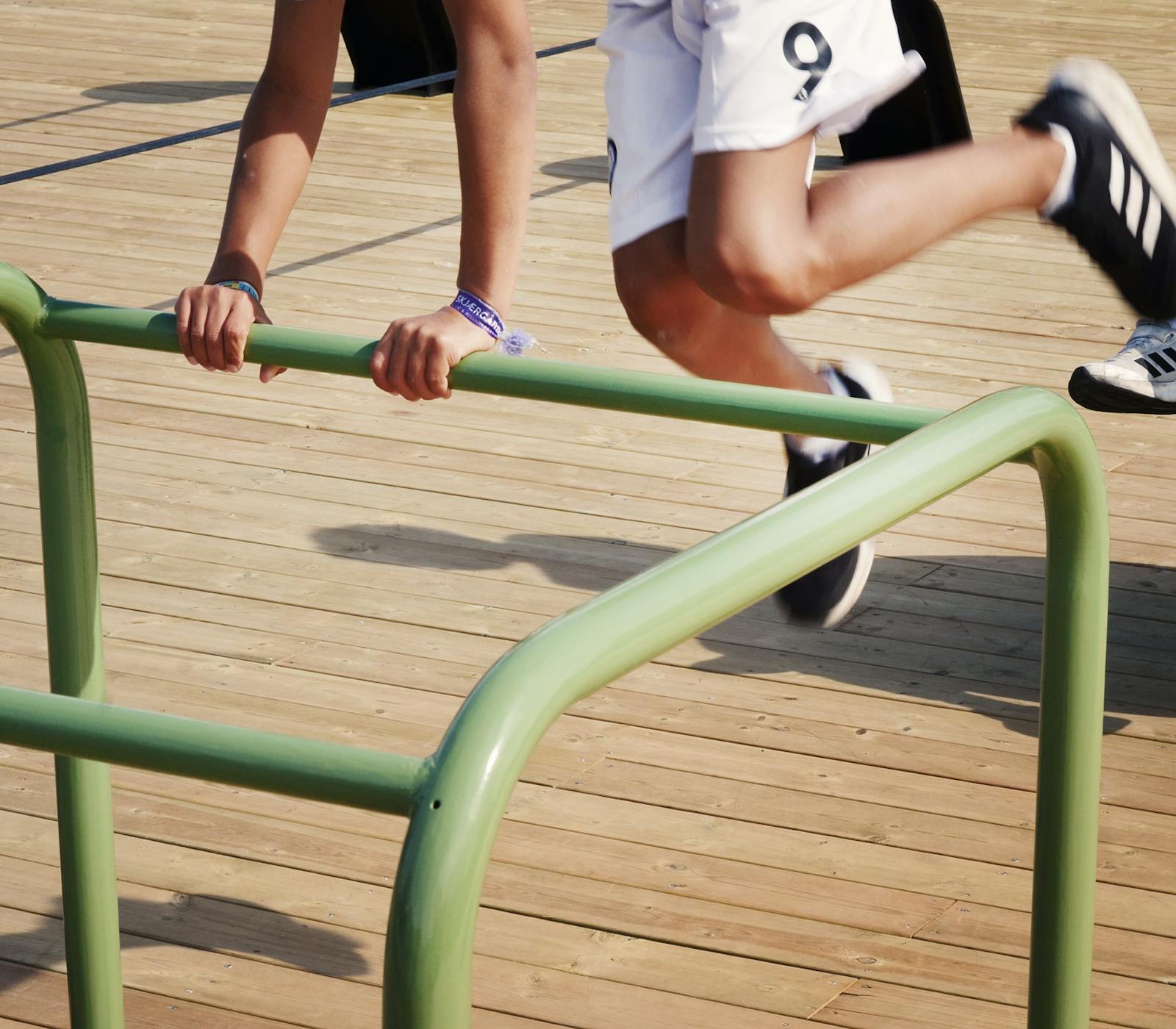
Despite its solid surface, the wooden deck is a warm and inviting material to play on. When children intuitively feel safe to jump, run, and fall, they are more confident to fully explore the world of play.
The firm surface also provides a wheelchair-accessible area, allowing everyone—including those with limited mobility—to join in the fun.
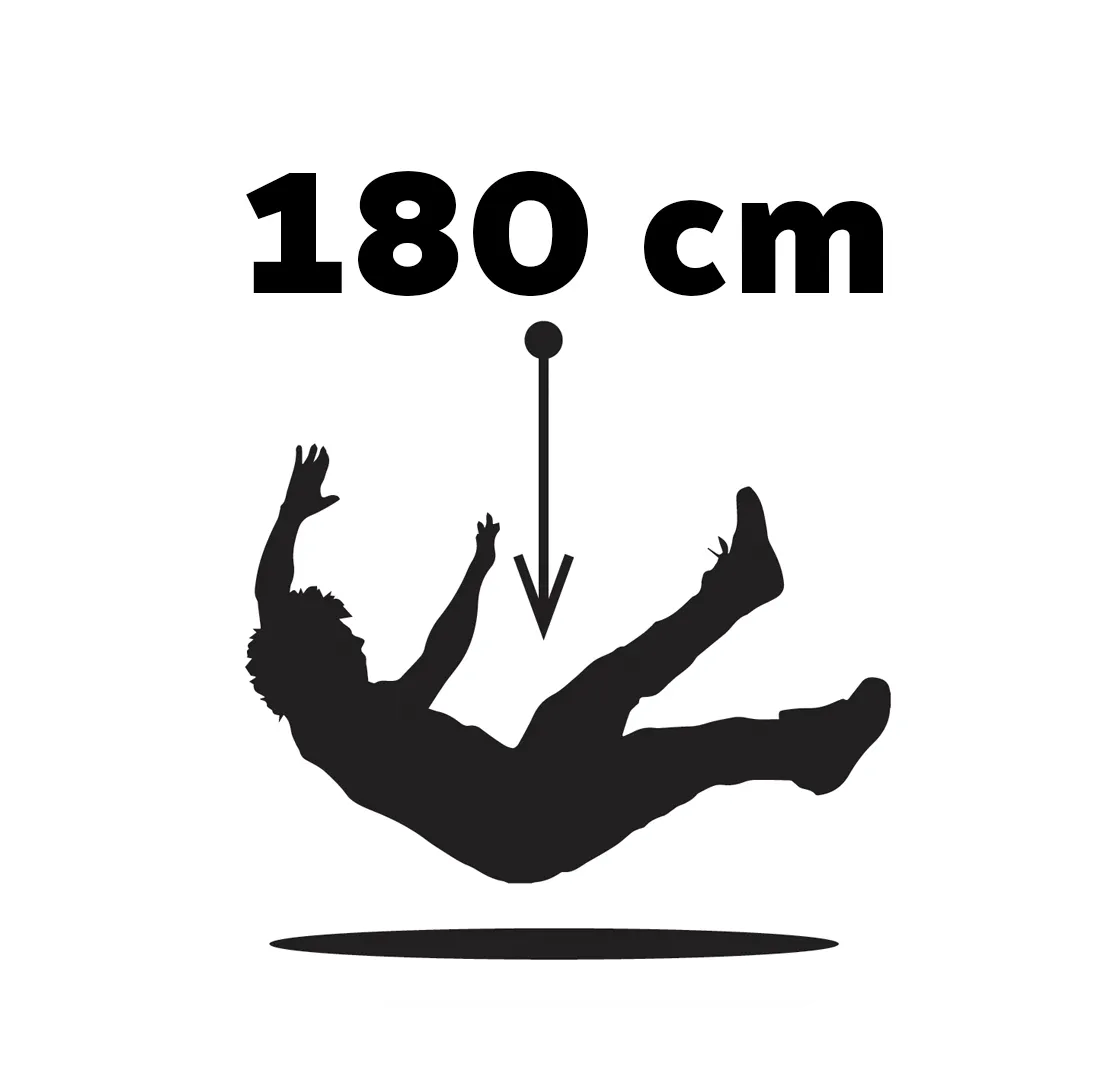
ShockDeck™ is certified according to EN 1176-1:2017 / EN 1177:2018 for playground equipment with a fall height of up to 1.8 meters.
THE SUPER SHOCK ABSORBER
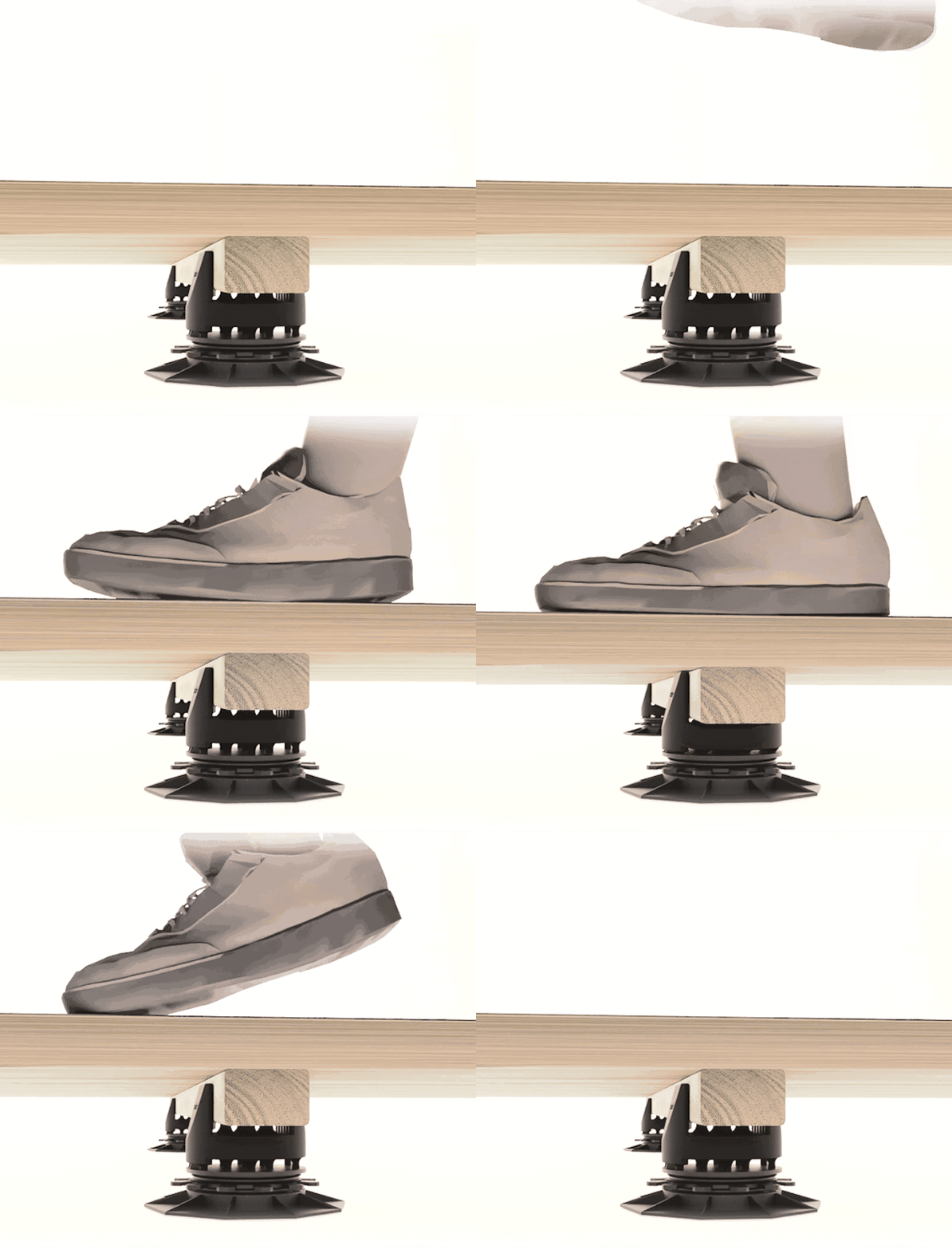
ShockDeck™ features an innovative natural rubber component that allows the wooden deck to absorb impacts and provide cushioning.
This small, hidden “super absorber” makes a big difference by delivering the precise shock absorption needed.
Natural rubber can withstand countless deformations, making it ideal for playground surfacing that must endure heavy use over time. Unlike synthetic rubber, natural rubber comes from renewable resources—harvested from rubber trees—making it a smart choice for reducing carbon footprint.
How to Build ShockDeck™
Construction is simple, and the materials and dimensions are standard items available at your local building supply store.
The Rampline assembly instructions must be followed. Only the types and dimensions of wood specified in the instructions should be used. This is important to ensure proper shock absorption. We recommend that the installation be carried out by a professional carpenter.
ShockDeck™ playground surfacing is built using pine wood. There are differences in quality and treatment, and overall there are many options of pine decking boards to choose from when building a ShockDeck™ surface.

Eco-Friendly Thermo-Pine for Kids
With ShockDeck™, we can create playgrounds where children play safely on a shock-absorbing surface that is 100% free of chemicals.
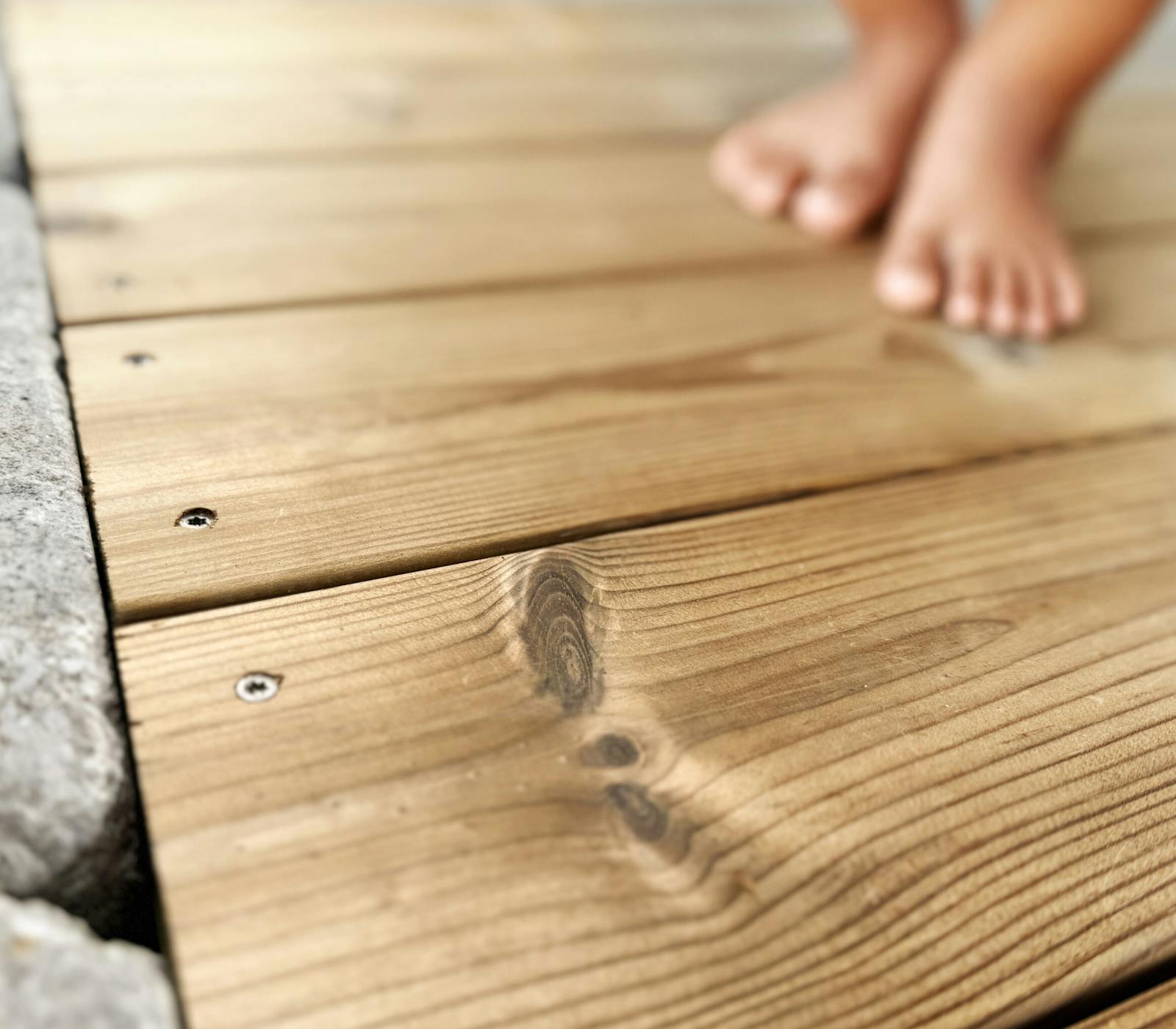
Thermo-pine is treated only with heat and water, resulting in a solid, warm, and comfortable surface with exceptional durability and quality.
In short: it’s hard to beat when it comes to environmental friendliness, universal accessibility, and long-lasting performance for playground surfacing.
ShockDeck™ provides the perfect foundation for healthy, eco-friendly playgrounds that kids can enjoy for generations to come.
Check the product page for prices, technical details, datasheets, downloadable files, and more. You can also request a quote and place your order here
MATERIALS FOR BUILDING SHOCKDECK™
Overview of Materials That Can Be Used for ShockDeck™
Only specific types of pine decking boards (see table below) may be used to build ShockDeck™. These are available in several variants and supplied by multiple manufacturers.
For battens, pressure (Cu) treated pine 28×45 mm is always used. Along fixed edges, 28×45 mm battens are also used.
Please note that the European standard for battens differs from the Norwegian standard. The ShockDeck™ system is designed to be compatible with both the Norwegian standard (30×48 mm) and the European standard (28×45 mm).
Approved Decking Board Types for ShockDeck™
| Type | Dimensions | Comment | Optional grooved finish | Available with Nordic Swan certification |
| CU | 28×120 21×95 | Pressure-Treated (Copper Salts) | Yes | No |
| Royal | 28×120 | Pressure-Treated and Boiled in Oil | Yes | No |
| Silica | 28×120 | Mineral-Treated (Silicate/Silica Solution) | No | Yes |
| Thermo | 26×115 | Water- and Heat-Treated | No | Yes |
Material Selection with a Focus on Environment and Durability
The materials used are approved for outdoor use and comply with applicable requirements for health, environment and safety.
The materials used in building ShockDeck™ have been carefully selected with regard to durability, function and environmental impact. The solution can be built using various types of standard decking boards, such as pressure-treated (Cu-treated) pine, thermo-pine or Royal-treated pine.
What the materials have in common is that they have been treated to withstand outdoor use over time, providing a long service life and reducing the need for replacement. This is an important factor in limiting the overall environmental impact throughout the product’s lifetime.
The various treatment methods – such as impregnation, heat treatment and oil – give the timber increased resistance to rot and wear. The choice of material type can be adapted to the requirements and preferences of each project, including considerations regarding maintenance, service life and environmental profile.
Read more about the different types of treatment and impregnation below.
Durability and Maintenance
Treated decking boards have a long lifespan. Suppliers indicate that additional treatment is only necessary for aesthetic purposes. To ensure long-lasting performance, cleaning according to the manufacturer’s instructions is recommended.
Examples of Different Types of Pine Decking Boards That Can Be Used
Among the decking boards suitable for ShockDeck™ construction, there are several options with varying quality and appearance.
Examples:

Example of pressure treated pine This is the most affordable decking board and is also the type most commonly associated with standard decking. Available with or without grooves.

Example of Royal treated pine Duo type from Talgø Tre (Møre Royal). Available in several colors, with or without grooves.

Example of Royal treated pine Concise type from Talgø Tre (Møre Royal). Concise features a textured planed surface that gives a nice brushed finish. Available in several colors; the color shown here is “Fjellgrå”.

Example of Thermo-Pine from Moelven – a Nordic Swan-certified, completely chemical-free product. Fresh boards have a warm brown tone that naturally ages to a beautiful grey patina, with a comfortable and inviting surface.

Example of Royal treated pine Barfot type from Alvdal Skurlag. Barfot decking boards have a distinctive curved profile that improves water runoff.
Overview of Treatment Types
Copper-based Pressure Treatment (Cu-treatment) Pressure treatment with copper salts makes the wood resistant to rot. Visually, it is not possible to distinguish Cu-treated wood from the older CCA-treated wood (copper, chromium, arsenic), which is classified as hazardous waste. For this reason, all pressure-treated wood is handled as hazardous waste, even though Cu-treated material could, in theory, be disposed of with mixed wood.
Royal Treatment The wood is both pressure-treated and boiled in oil under vacuum. This provides exceptional resistance to rot, high dimensional stability, reduced splintering and cracking, and a long service life.
Thermal Modification Treated only with heat and steam, entirely free from chemicals. The wood becomes more resistant to rot, fungi, and moisture, with minimal splintering and cracking, and excellent durability.
Silica Treatment Treated with a water-based silica solution, entirely free from chemicals. Over time, the wood develops a beautiful, natural silver-grey patina while being protected against rot, fungi, and UV exposure.
CONSTRUCTION OF SHOCKDECK™
Key Construction Details
- Use 3–4 shock absorbers per m²
- Only specific decking types and treatments may be used (for details see Materials for Building ShockDeck™)
- Battens 28×45 mm
- Standard construction includes a fixed edge around the perimeter
- Outer boards are fastened to the edge; full shock absorption occurs 30 cm from the edge
- Playground equipment is installed as usual in concrete foundations
Download the full ShockDeck™ assembly guide
For proper shock absorption, it’s important to follow the construction guidelines carefully. For detailed instructions on building ShockDeck™, please download the step-by-step instructions.
ShockDeck™ Construction
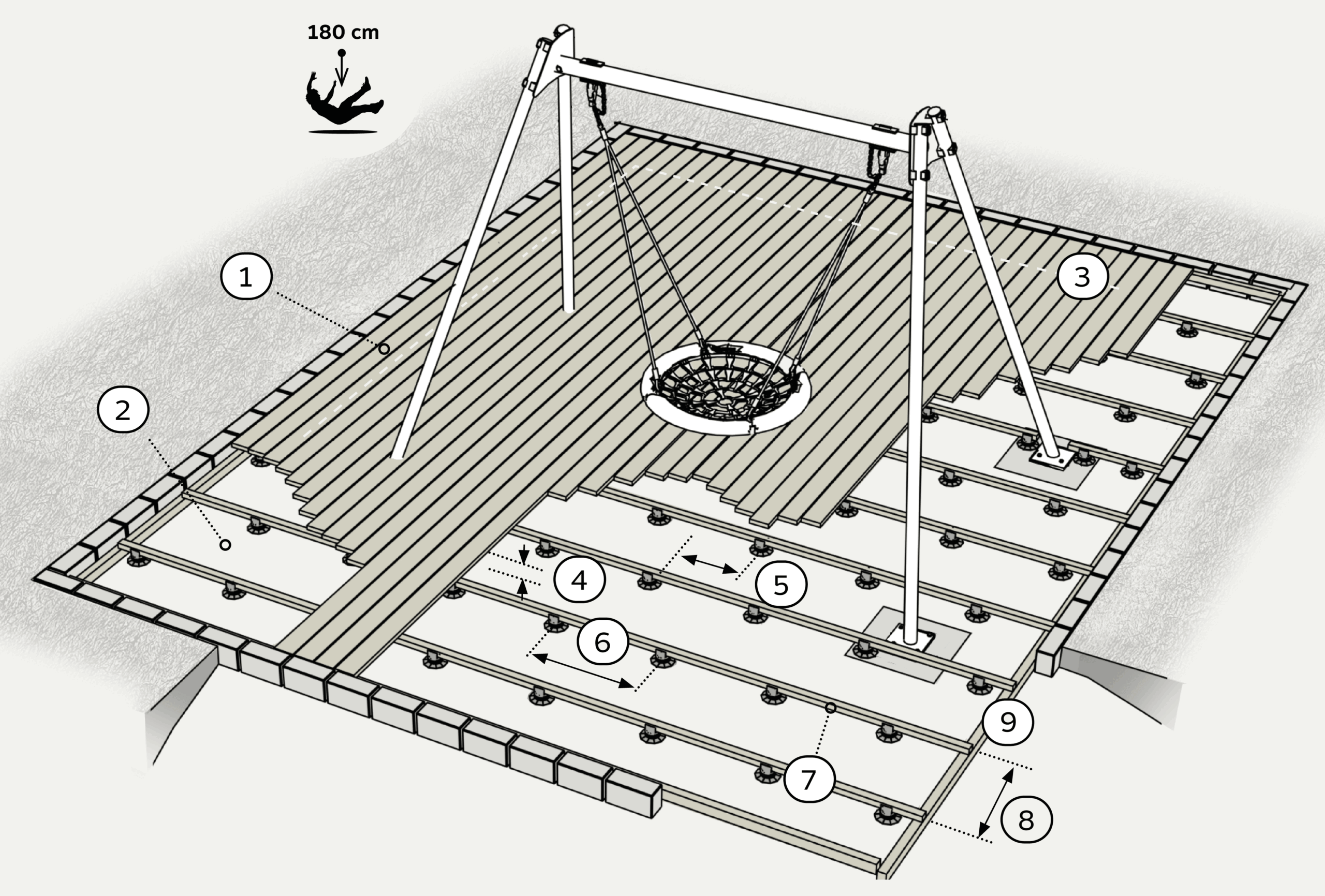
1. Deck boards 120 x 28 mm or 95 x 21 mm
2. Compacted sub-base
3. Full impact absorption is achieved 30 cm in from fixed edge
4. Height 13 cm
5. Dampers offset by 30 cm
6. Distance between dampers 50/60cm
7. Battens 28×45 mm
8. Distance between battens 50/60 cm
Edge of Cubic Stone or Cast Concrete
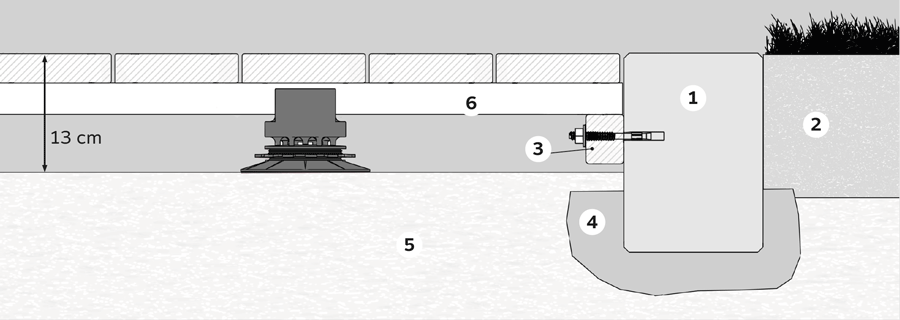
1. Cubic Stone 2. Topsoil/Grass 3. Batten 28×45 mm 4. Concrete
5. Compacted, Drainage Base Layer, e.g., Fraction 6–16 6. Batten 28×45 mm
Steel Profile Edge

1. Steel profile 2. Topsoil/Grass 3. Batten 28×45 mm 4. Concrete
5. Compacted, Drainage Base Layer, e.g., Fraction 6–16 6. Batten 28×45 mm
Wooden Edge

1. Treated timber 2. Batten 28×45 mm 3. Paving stone 4. Compacted, Drainage Base Layer, e.g., Fraction 6–16
With Installed Equipment
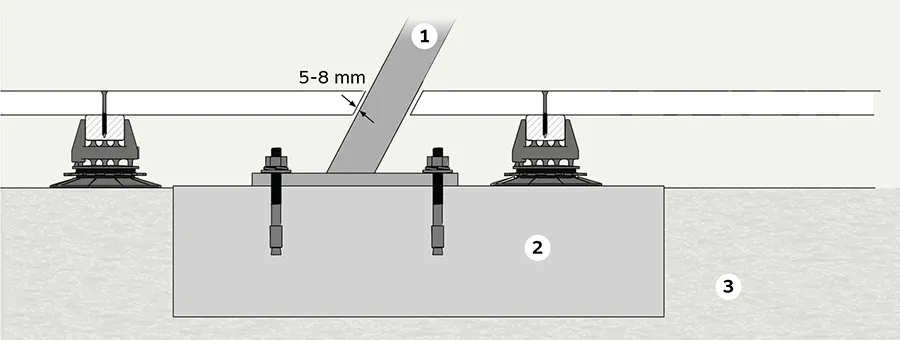
1. Play equipment, e.g., a swing set 2. Concrete
3. Compacted, Drainage Base Layer, e.g., Fraction 6–16
Meets future requirements
ShockDeck™ is developed to offer universal design with minimal environmental impact. The matrix below shows the comparison between ShockDeck™ and the most common types of ground covers used in playgrounds today.
| ShockDeck™ | Wet pour rubber/EPDM | Artificial grass | Fall sand | Wood chips | |
| Universal design | |||||
| Zero microplastics | |||||
| Sorted for recycling |
Features and Benefits

Environmental friendly
- Low greenhouse gas emissions
- No loss of microplastics
- Does not generate problematic waste
- Shock absorbers can be reused
- No use of glue or chemicals in construction
- Draining surface

Inclusive design
- ShockDeck™ has a solid surface suitable for various disabilities, including wheelchair users.

simple construction
- Quick to build, just following the instructions
- Predictable maintenance – easy to replace individual parts
- Efficient and straightforward inspection
Frequently Asked Questions (FAQs)
ShockDeck™ is constructed from decking boards of standard Cu-treated pine. The dimensions of the boards should be 21, 26 or 28 mm thickness, with 45×28 mm joists.
Please note: The decking should only be constructed from pine wood. Thermally treated varieties, such as Kebony/Accoya, can not be used.
Harder wood species such as larch or oak are not to be used, nor composite materials.
Pressure-treated material not intended to be in contact with soil is usually considered acceptable from an environmental perspective.
ShockDeck™ is certified and approved for fall heights up to 180 cm according to EN 1177:2018. This allows for the use of most swings, slides, balance equipment, and similar, with the exception of certain higher climbing structures.
The manufacturer of the equipment specifies the fall height of the product.
The wooden surface itself is solid and lacks the surface elasticity associated with, for example, poured rubber, artificial turf, or fall sand. However, the wood material is lightweight and elastic, and the design that includes shock absorbers effectively absorbs the impact energy of falls.
Cu-impregnated pine is durable without maintenance. Unfinished pressure-treated wood will eventually lose its slightly green color and develop a natural gray hue, which many people prefer.
The main reason people often choose to surface treat the wood is for aesthetic purposes. Using a good oil or a water-based stain can delay graying. Regular maintenance helps reduce cracking and splintering of the surface. If you choose to use oil, make sure to select an oil with a high percentage of solids. The oil should also contain a fungicide.
The expected durability is 20-30 years when the material is used correctly.
For the solid decking to remain attractive and durable over time, avoid placing trees too close to the area. Moss and leaves can degrade the quality and contribute to making the surface slippery.
By resting the deck on a large number of dampers, the energy is distributed effectively without causing significant point load on the battens.
Note: Joists with large knots should be avoided. It is recommended to purchase an additional 15% of joists to sort out material with weaknesses. A joist with a large knot can also be reinforced with simple measures, as described in the construction instructions.
In the event of a fall, the deck can move vertically approximately 10 mm.
Rampline does not provide a warranty for the deck as a whole but does offer a warranty for the damper component made of natural rubber. Our warranty for natural rubber is 10 years. The damper component will maintain its damping quality and properties for a long time. In ShockDeck™, it is also protected from wear and sunlight, and it is highly likely to last many years beyond the warranty period.
See Rampline’s product warranties.
The deck has been tested with satisfactory shock absorbtion during falls, even when the deck is under some prior load.
No. ShockDeck™ must be installed on horizontal surfaces. Additionally, the deck is installed with a 2% slope in the direction of the deck boards for better drainage.
If a wooden deck becomes slippery, this is due to moss and algae on the surface. Shading trees and similar factors can contribute to this.
A slippery surface can be avoided with regular use, and it can also be washed away if necessary. Additionally, on a playground, some sand and gravel often end up on the deck, which helps prevent the surface from becoming slippery.
No. Equipment cannot be mounted directly on the wooden deck. The equipment is mounted underneath the deck and without any attachment to the wooden deck.
The deck is built with a clearance of approximately 5-8 mm around the equipment. Equipment should be mounted with any moving parts at or above the deck level.
A ShockDeck™ constructed according to the installation instructions will therefore not pose any risk of pinching.
– Wood is alive and dynamic. Through testing, we have worked out how to harness the natural properties of wood and combine them with natural rubber, which we have extensive experience with in our other products.
The result is what many didn’t believe was possible: a fully functional and safe ground cover made of beautiful pine.
Vidar Skavland
Product Developer at Rampline

Find more details, prices and downloads on the product page – and request a quote or place an order directly.